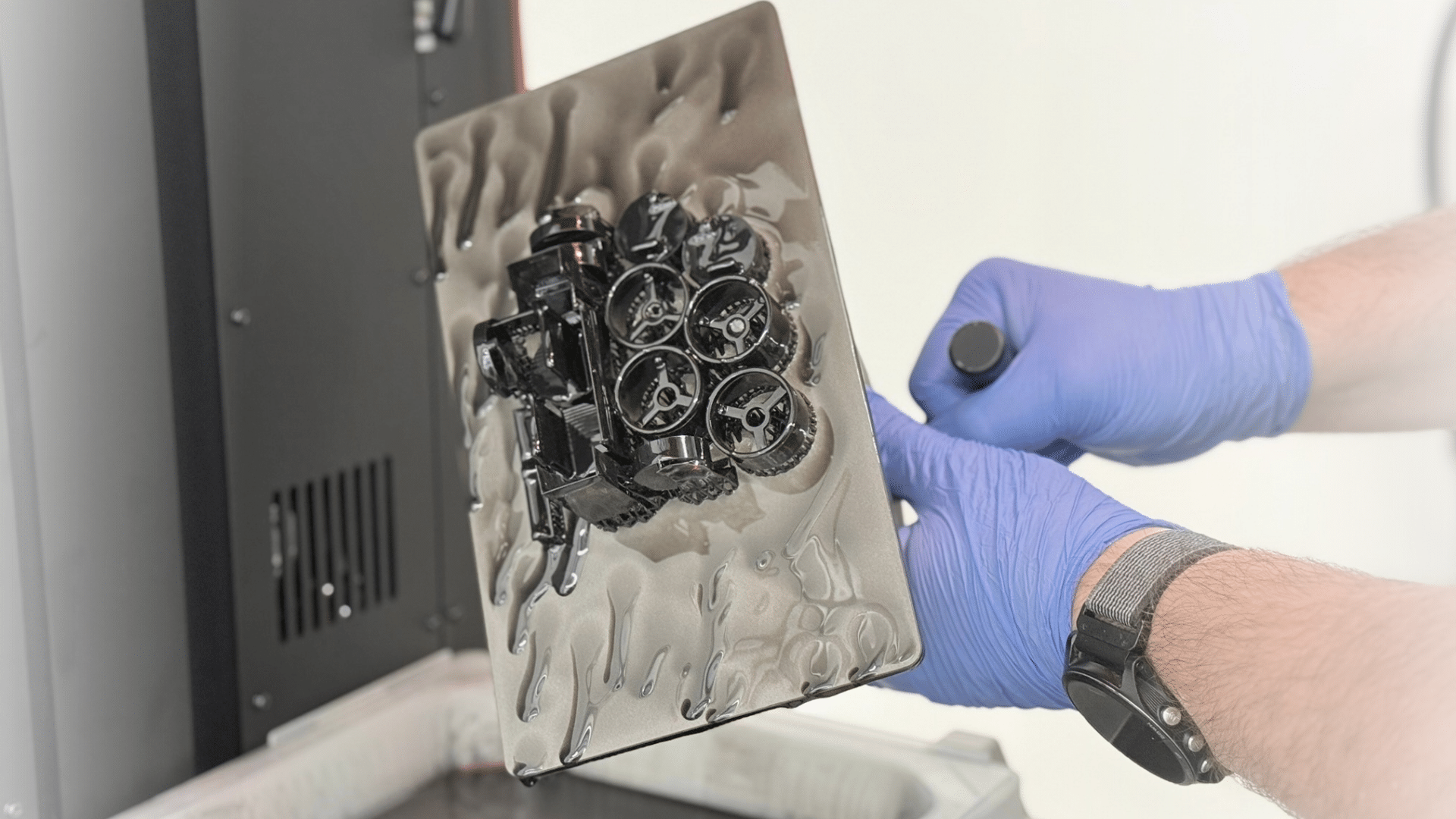
Innovate with 3D Printing
PRODUCTION OF POLYMER PARTS USING ADDITIVE MANUFACTURING
Fast and accessible prototyping, spare parts, and low-volume production.
Accelerate your manufacturing, reduce costs, and gain access to cutting-edge technologies through the de minimis support programme.
Do you have a new product design, need to validate a design solution or are you looking for an efficient way to manufacture a specific part?
Polymer 3D printing enables you to quickly turn a digital model into a physical part, test it in practice and refine the design based on the results.
At Brain4Industry, we use 3D printing for more than just manufacturing. We can integrate it into a broader product development process – from design and prototyping through individual development iterations to validation of the final solution.
When you need to quickly turn a design into a physical part
During product development, viewing a design on a screen is often not enough. A physical prototype makes it possible to verify the function, shape and ergonomics of a part, check its fit within an assembly or assess the assembly process itself, and identify necessary changes before moving on to the next stage of development.
This is where polymer 3D printing can significantly simplify the journey from a digital design to a physical part. It does not require moulds or complex production tooling, making it possible to quickly produce further design variants.
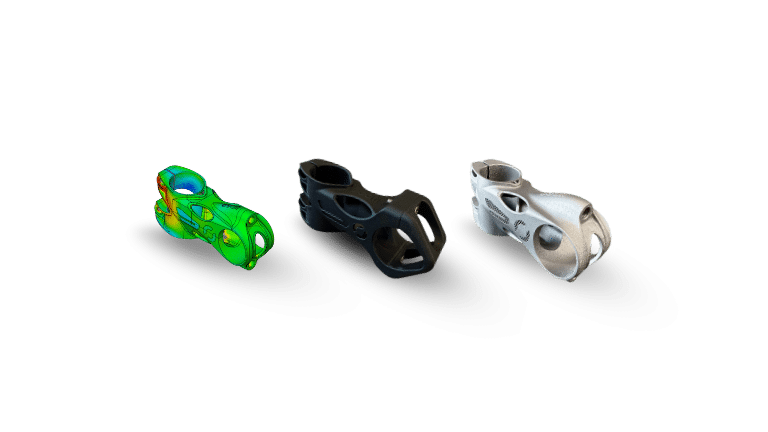
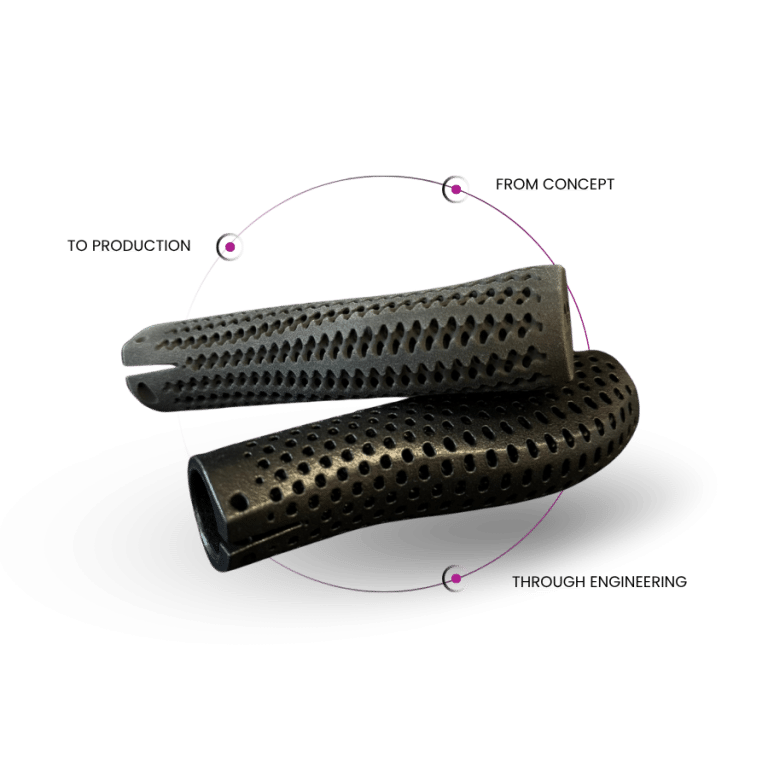
From prototype to further product development
You do not always need to come to us with a finished model ready for printing. If you only have an initial concept or need to further modify an existing product, we can connect 3D printing with other stages of product development.
Why use polymer 3D printing in product development?
Faster route to a prototype
A digital model can be turned directly into a physical part without first having to produce a mould or other manufacturing tooling.
Easier modifications and further iterations
If a prototype reveals the need for a change, the digital model can be modified and another version produced.
Greater design freedom
Additive manufacturing makes it possible to create geometries that can be difficult to produce using some conventional manufacturing technologies.
Functional design validation
Depending on the technology and material used, prototypes and parts can be produced not only for visual assessment but also for validating specific functions and applications.
Efficient production of individual parts and small batches
3D printing can be a suitable option when preparing tooling for conventional series production does not make economic or practical sense.
Which polymers can be 3D printed?
The right material depends on the function of the part, its design, operating conditions and the selected 3D printing technology. A wide range of polymers is available – from soft resins with a hardness of 55 Shore A and flexible TPU to nylon and polymers reinforced with glass or carbon fibres.
This means that a material suitable for an early design prototype may be different from the one required for a functional part intended for further testing and validation.
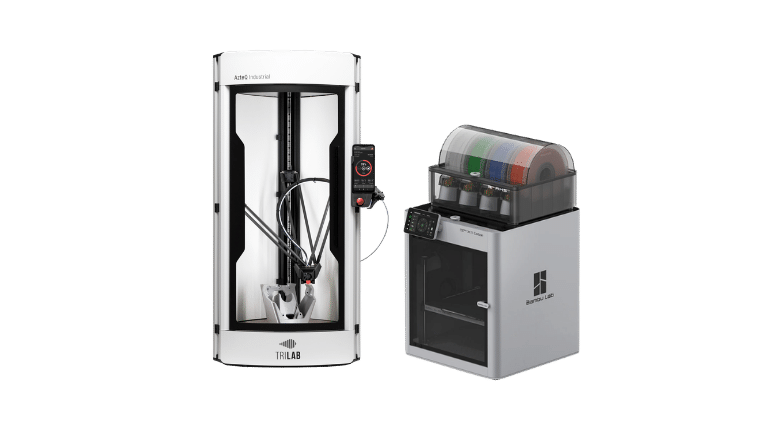
Technical specifications
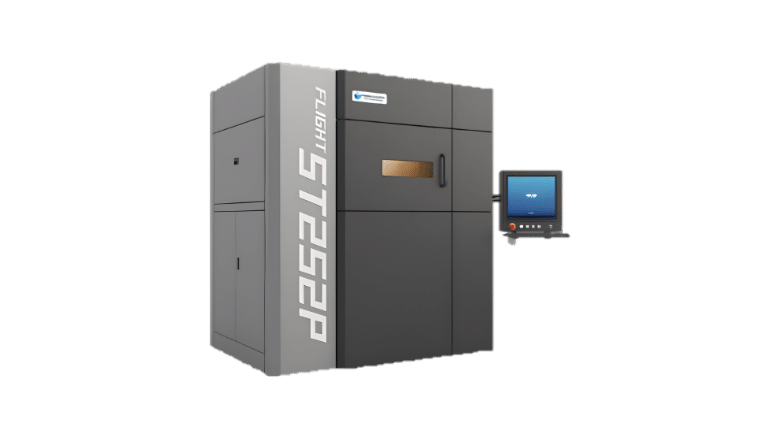
SLS
Build volume: 250 × 250 × 320 mm
Layer thickness: 0.06–0.30 mm
Accuracy: approx. ±0.2 mm
Available materials: PA12, TPU
FDM
Build volume: 256 × 256 × 256 mm
Layer thickness: 0.08–0.28 mm
Accuracy: ±0.1–0.2 mm
Available materials: PLA, PETG, TPU, ABS, ASA, PVA, PET
Ideal for PA, PC and carbon/glass fibre-reinforced polymers
Do you have a product, a design or simply an idea?
You do not need to know which 3D printing technology or material is right for your project before you contact us. Bring us your design, 3D model or existing part – or simply tell us what you need to solve.
Together, we will assess the requirements and recommend the right next steps, from the initial concept through to manufacturing and validation of the final solution.
Let’s discuss your project.
Gain a competitive edge in innovation with 3D printing. Contact us!

Jakub Krupa
Head of Sales
Get in touch with us and discover how 3D printing can benefit your business.
Email: krupa@fzu.cz
Tel: +420 603 175 994
Contact form
"*" indicates required fields
