Digital Strategy as a Foundation for Growth and Efficiency: a Case Study of CZ-AUTO Systems
In a time of increasing demands for flexibility, efficiency, and transparency in manufacturing, many companies are facing the limits of outdated systems and uncoordinated processes. CZ-AUTO Systems, a key supplier of components for the automotive industry, decided to address this challenge strategically. In collaboration with the Brain4Industry consortium, a comprehensive digital transformation plan was developed, opening the path to greater efficiency, improved decision-making, and future automation.
Initial Situation: Untapped Potential in Production Management and Information Flow
CZ-AUTO Systems had long been dealing with challenges typical of mid-sized manufacturing companies:
- Disconnected information systems.
- Paper-based process management.
- Low transparency in planning and capacity utilization.
- Slow and often inefficient decision-making.
In production, there was a lack of clear job visualization; planning relied on outdated data, and there was no comprehensive approach to managing technical documentation in product development. The result was unnecessary downtime, higher costs, and a limited ability to respond to new customer requirements.
A Strategic Brain4Industry Approach: From Process Mapping to Real Change
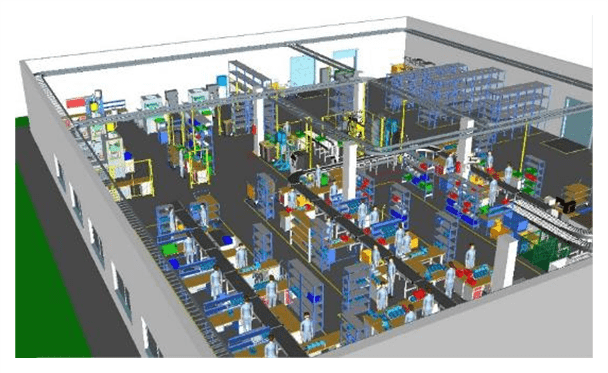
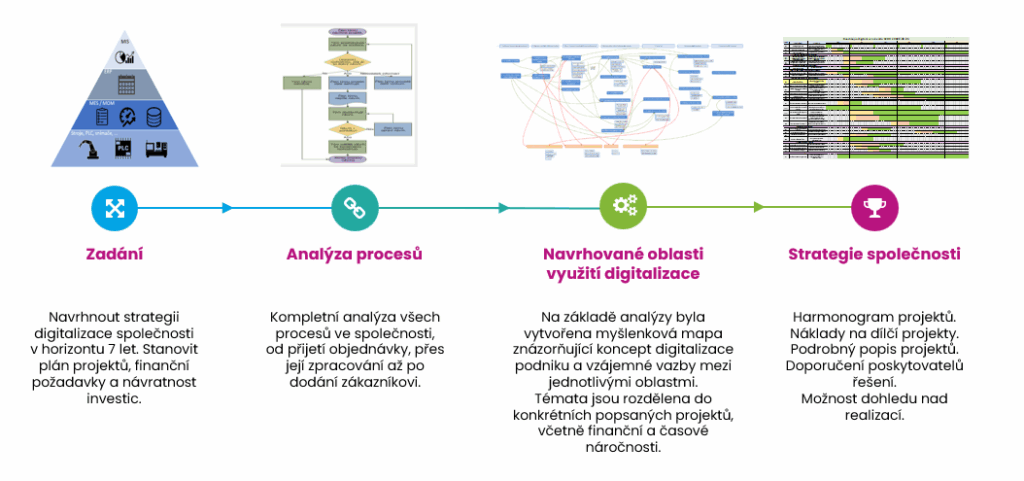
The Brain4Industry consortium, through experts from CARDAM, first carried out a detailed mapping of processes across the entire company—from order intake through production and logistics to final dispatch. The result was a clear “digital snapshot” of the current state, with well-defined bottlenecks and identified opportunities for digitalization.
This was followed by the development of a tailored digital strategy, which included:
- A concept for the development of IT systems and infrastructure
- A proposal for integrating key processes
- The definition of priority areas for change (e.g. production management, planning, documentation)
- Recommendations for selecting an ERP system as the central element of digital management
A key element of the strategy was also the involvement of CZ-AUTO Systems employees—key stakeholders actively participated in workshops, defined the needs of individual departments, and contributed to setting goals as well as criteria for ERP system selection.
ERP System Selection: A Data-Driven Approach
Based on the digital strategy, a set of criteria for selecting a new ERP system was defined—focusing not only on technical parameters, but also on support for specific internal processes and planned changes. This was followed by market research, comparison of available solutions, and on-site presentations within the company.
The selected ERP system will enable:
- Integrated, real-time production planning
- More efficient management of technical documentation and revisions
- Data-driven warehouse and logistics management
- Clear visibility of orders, capacities, and machine utilization
The implementation is currently in full progress.
Impact and Next Steps
The digital strategy has provided the company not only with a clear development roadmap, but also with confidence that the transformation is achievable and grounded in data rather than assumptions. Key benefits include:
- Increased efficiency in planning and production
- Improved transparency and decision-making capabilities
- Reduced error rates and higher output quality
- Readiness for automation and a digital twin approach
Looking ahead, CZ-AUTO Systems plans to continue with further steps in line with the digital roadmap, including the implementation of sensors, advanced monitoring, and additional Industry 4.0 tools.